

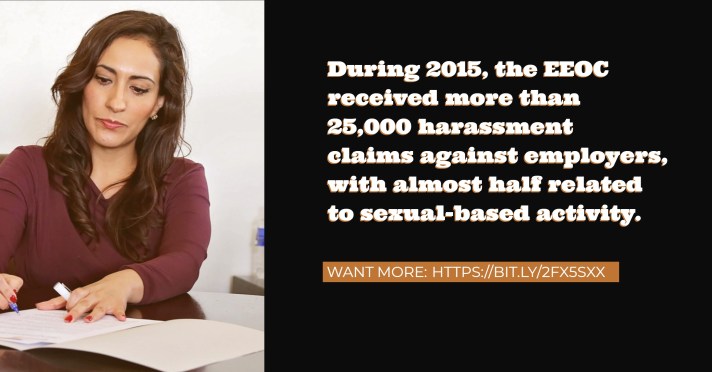
During 2015, the EEOC received more than 25,000 harassment claims against employers, with almost half related to sexual-based activity.
Yes, the workplace environment plays a critical role in shaping employee satisfaction, productivity, and overall well-being. A positive and supportive environment fosters collaboration, creativity, and engagement, allowing employees to feel valued and motivated to contribute their best work.
In contrast, a toxic or negative environment can lead to increased stress, burnout, and disengagement, diminishing the effectiveness of both individuals and teams.
Research consistently shows that employees who work in environments where they feel respected and supported are more likely to stay with an organization, demonstrate higher levels of performance, and contribute to a positive workplace culture.
The physical and psychological aspects of the workplace environment are both significant factors. The physical space—such as lighting, noise levels, and layout—can impact an employee’s comfort and concentration. Moreover, the design of the workspace can either facilitate collaboration or hinder it. Psychological factors, such as workplace culture, leadership styles, and the presence of support systems, also heavily influence employee morale.
A culture that promotes inclusion, respect, and open communication helps employees feel empowered and connected, while environments characterized by favoritism, discrimination, or fear can breed resentment and distrust.
Ultimately, the workplace environment directly affects the success of an organization. Companies that invest in cultivating a healthy, inclusive, and engaging work environment tend to experience lower turnover, fewer instances of conflict, and better employee mental health.
Organizations that neglect the quality of their work environment may struggle with high absenteeism, low engagement, and challenges in retaining top talent. The bottom line is clear: a positive workplace environment is not only beneficial for employees’ well-being but is also crucial for an organization’s long-term success and growth.

The Importance of Completing Evaluation Surveys
Evaluations provide the opportunity to be a voice for change – for an organization, a product, service or even a policy. Providing evaluation feedback gives you a tool for change.

Unmasking Misconduct: Powerful Movies on Workplace Harassment
Films like *Nine to Five* and *Tootsie* provide critical commentary on workplace issues, particularly gender discrimination and harassment. They explore the struggles women face in professional settings, exposing systemic inequities and promoting the need for cultural change. These portrayals foster awareness and discussions around respect, equity, and the importance of supportive work environments.

Unmasking Workplace Bullying: Critical Indicators You Can’t Ignore
Workplace bullying poses serious risks for both employees and organizations. Defined as repeated, unreasonable actions aimed at demeaning individuals, it manifests through various behaviors like verbal abuse and social isolation. Recognizing metrics such as absenteeism and turnover, along with red flags like increased conflict and performance changes, is crucial for prevention and intervention.

Top 10 Movies on Workplace Challenges for African Americans
This content highlights the resilience of African Americans in the workplace through films that depict their triumphs over discrimination and challenges. Movies like “Hidden Figures” and “The Banker” inspire viewers by showcasing perseverance, ingenuity, and community values, encouraging everyone to embrace their journeys while fostering hope and understanding in professional environments.

The Power … to Choose
Every day, we hold the power to shape a brighter future. Let’s embrace empathy, speak out for justice, and pave the way for a better history.

 HobsonTraining.com | Workplace Issues
You must be logged in to post a comment.